
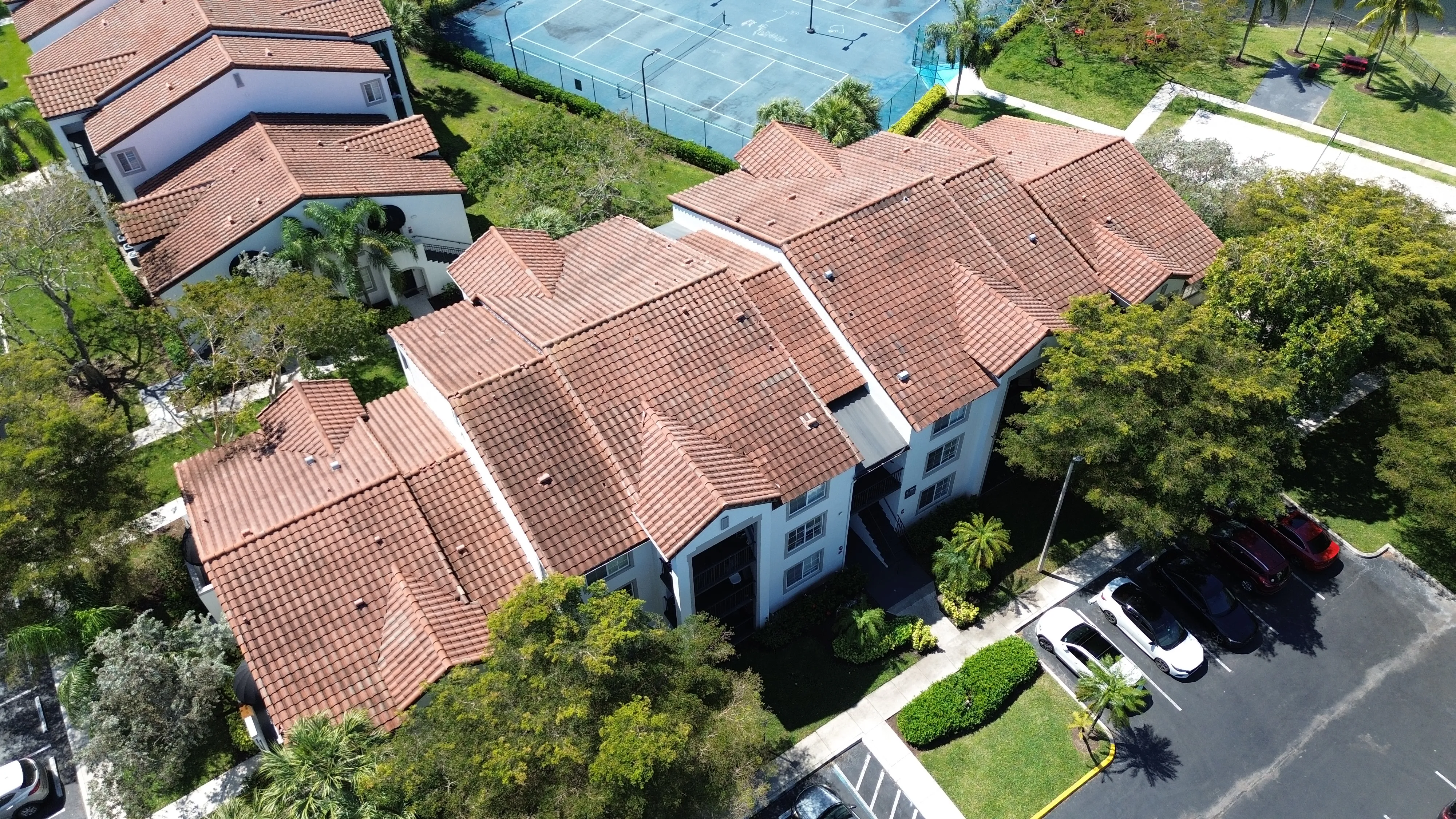
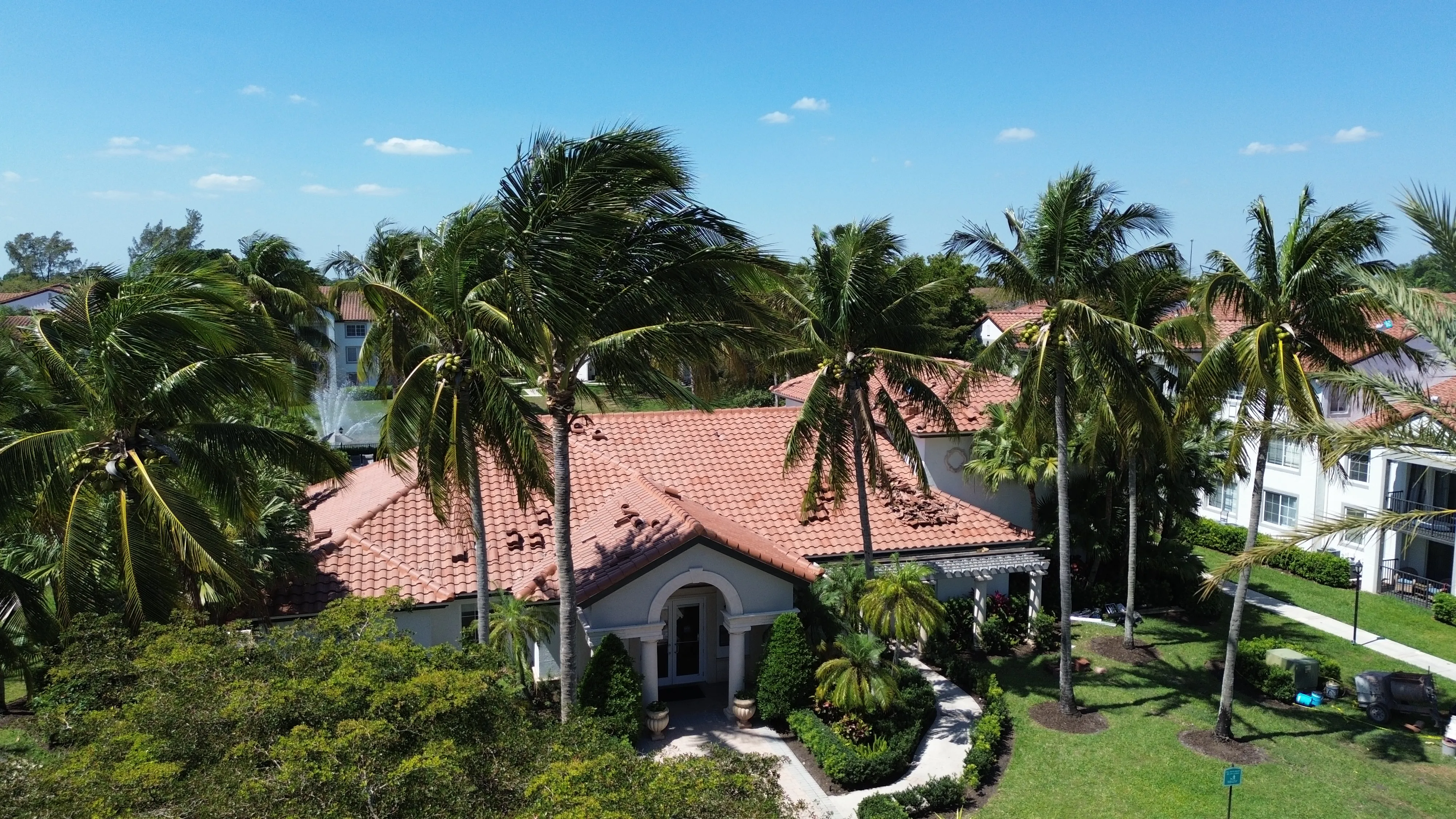
The Enclave Apartments at Waterways
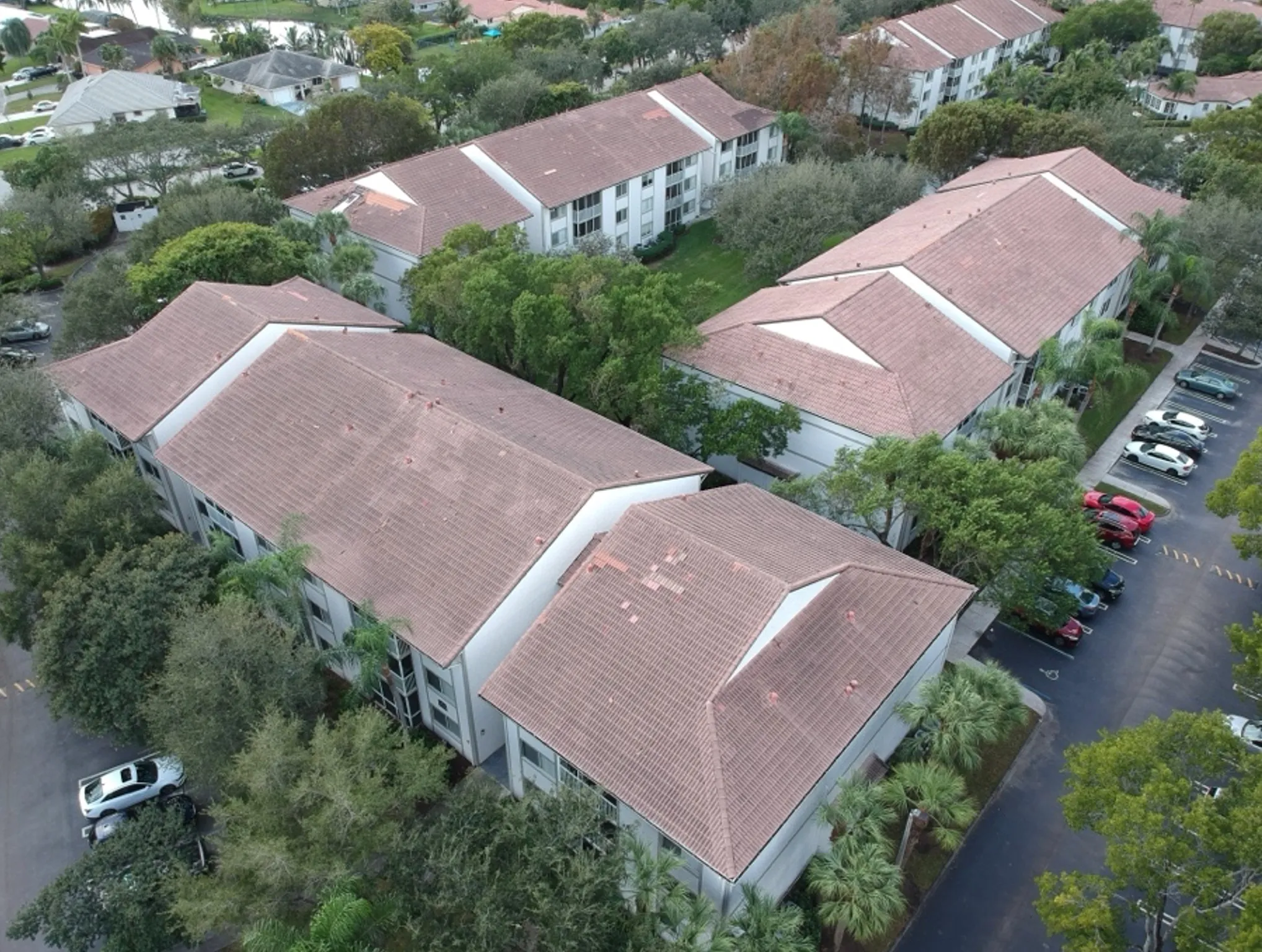
15 buildings · 300 units · Deerfield Beach

By submitting, you consent to receive a one-time proposal email or call. You won't be added to any marketing list. See our Privacy Policy.
We schedule the structural and electrical inspection within 3–5 days.
Inspection reports formatted to Broward County's BSIP submission requirements within one week.
We submit the completed reports and respond to municipal review comments related to the original inspection scope.
A few of the Building Safety Inspection Program (BSIP) certifications we’ve recently completed across Broward County.
15 buildings · 300 units · Deerfield Beach
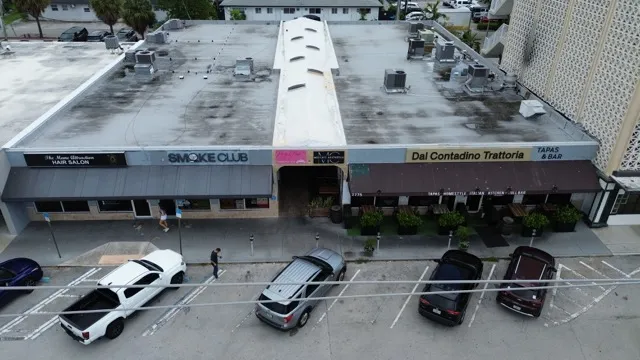
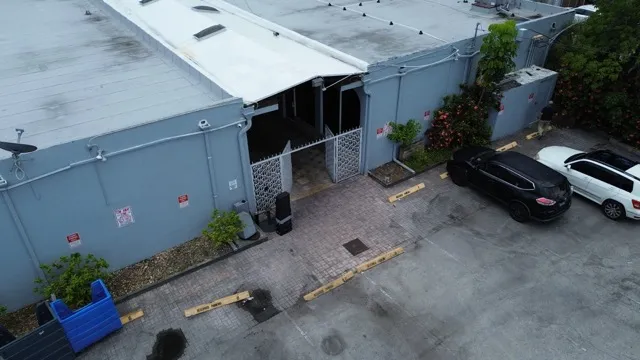
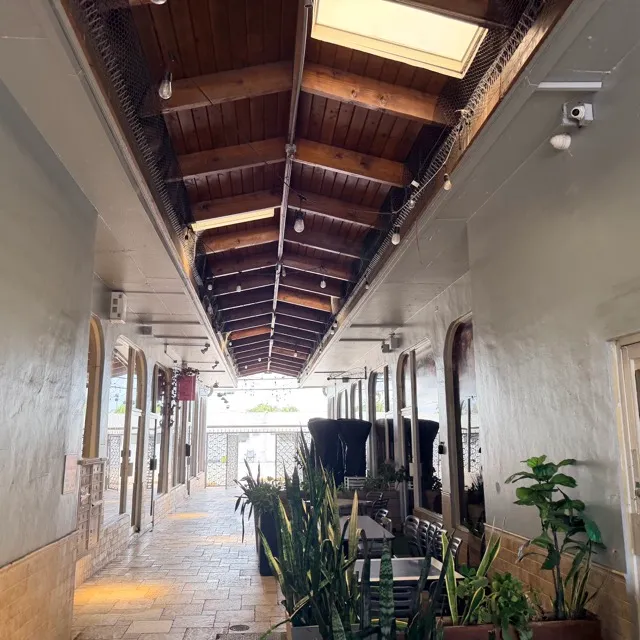
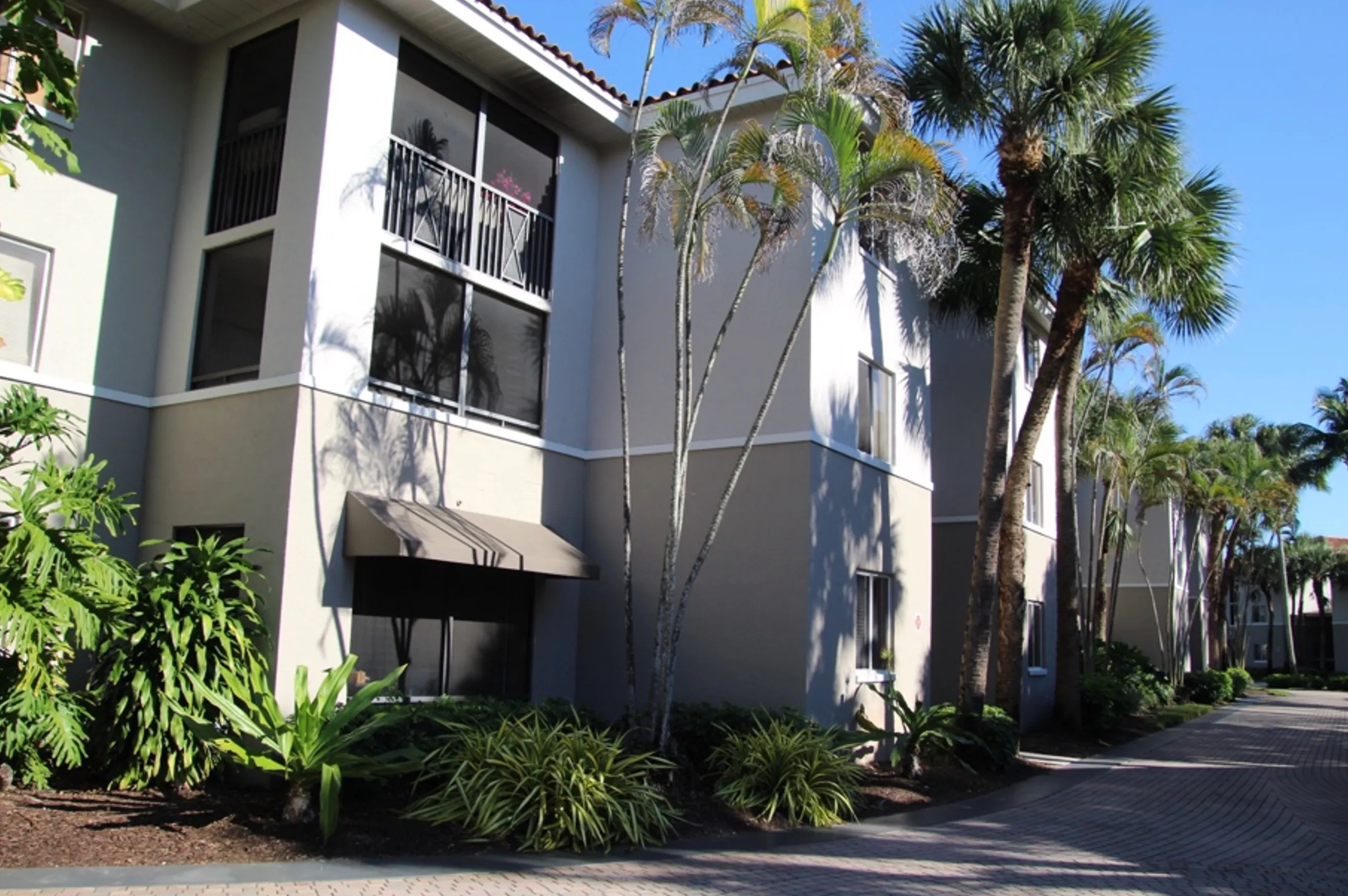
10 tenants · Fort Lauderdale
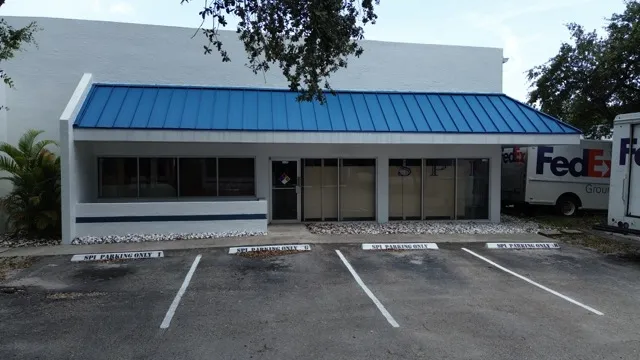
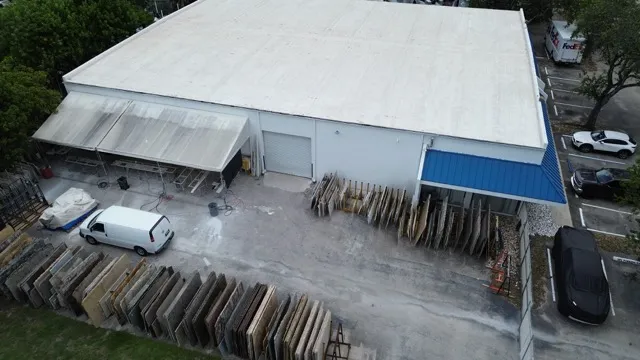
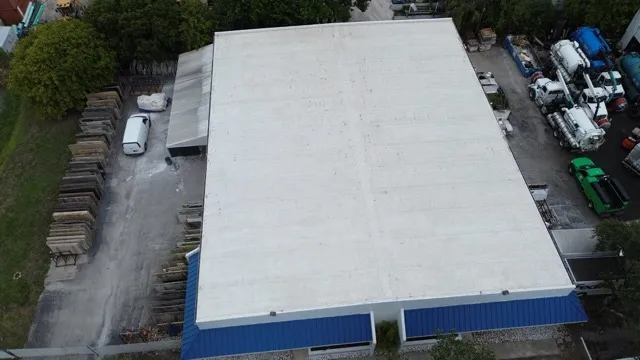
10,128 sq ft warehouse · Pompano Beach
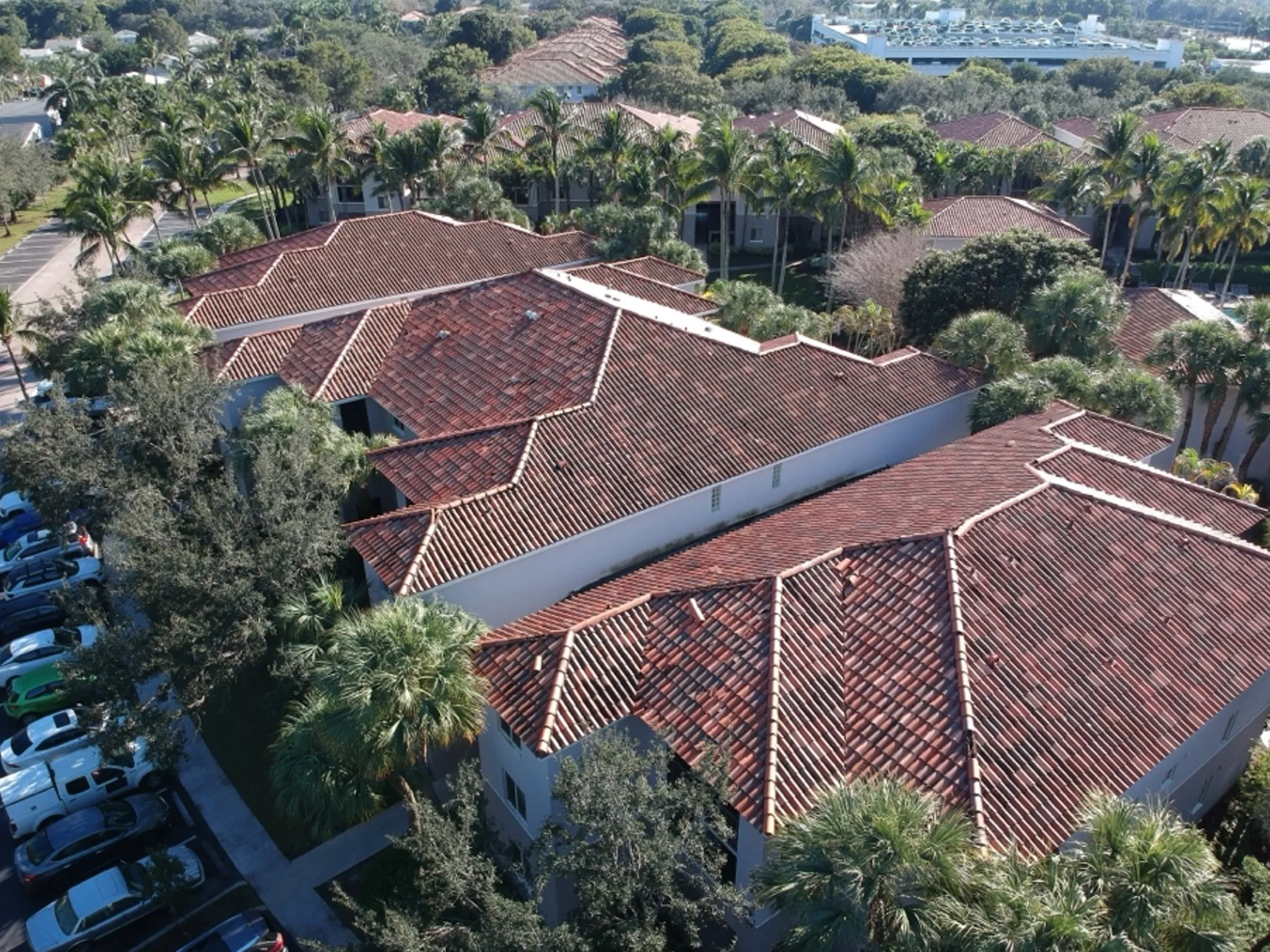
11 buildings · 276 units · Coral Springs
The terms are related but jurisdiction-specific. Broward currently uses “Building Safety Inspection Program,” while older notices and other jurisdictions may use “building recertification” or “40-year recertification.” We review the actual notice and prepare the structural and electrical reports required by the issuing municipality.
Missing the deadline may result in code-enforcement action, municipal penalties, or unsafe-structure proceedings, depending on the jurisdiction and circumstances. Some building departments may consider an extension or compliance plan after a qualified professional has been engaged, but approval is determined by the applicable building official.
No. The structural and electrical inspection is non-destructive and doesn't disrupt occupants or business operations. We work around your schedule.
If deficiencies are identified, we document the conditions and explain what must be corrected before the building can be certified. We can prepare or coordinate the required engineering documents, work with the owner’s appropriately licensed contractors, and perform the necessary follow-up inspections after corrective work is completed.
Inspection scheduled within 3–5 days of your request. Signed and sealed report within one week of inspection. Most owners go from sending us the notice to having a report submitted in under two weeks.
Yes. Our engineering services are provided under Florida Professional Engineer License PE #85427. We also hold Florida Certified General Contractor License CGC #1531655, giving us practical knowledge of construction methods, permitting, and corrective-work requirements. Our BSIP engagement remains focused on inspection, engineering evaluation, signed-and-sealed reporting, and compliance support.
We handle portfolios of any size and offer per-property pricing for owners with two or more buildings. Mention all of them when you reach out and we'll quote them as a single proposal.
Yes. We review the prior report and outstanding findings, inspect the current conditions, and establish the remaining path to compliance. When corrective work is required, we can prepare or coordinate the applicable engineering documents and perform follow-up inspections after the work is completed.
We can assist with the engineering and permit-support requirements for corrective work, including plans, calculations, supporting documentation, review-comment responses, and coordination with the owner’s permit applicant or licensed contractor.
They're closely related. Florida's statewide milestone inspection law (Statute 553.899, passed after Surfside) requires structural inspections of condo and co-op buildings three stories or taller once they reach 30 years of age, with reinspections every 10 years. Miami-Dade and Broward also run their long-standing local recertification programs — the notices most owners receive come from their city or county building department. Whichever notice you received, the inspection is performed by a licensed engineer and we handle both types, including the required reporting format for your jurisdiction.

Owner & Principal Engineer — Mimik Solutions
I’ve spent years working on the public-agency side of engineering. I understand what building officials look for, how they review technical reports, and what makes a submittal clear, complete, and easy to approve — because I’ve worked from that side of the counter.
That experience shapes how I approach every building recertification. My reports focus on what is required to evaluate and certify the building — not preferences, unnecessary upgrades, or defensive over-scoping. If an item isn’t required for the recertification or supported by the conditions observed, I’m not going to turn it into an unnecessary repair recommendation.
Most importantly, the engineer who inspects your building is the engineer who signs and seals your report. No junior inspectors, no account managers, and no handoffs.
A Florida licensed Professional Engineering firm providing building recertifications, safety inspections, and PE-sealed certifications across Miami-Dade, Broward, and Palm Beach counties.